
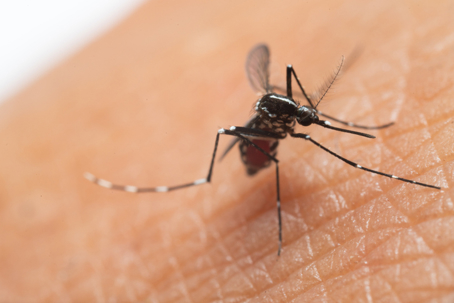
If you live in Cape Coral, you already know how quickly mosquitoes can take over an outdoor space. Florida's warm, wet climate gives these pests nearly everything they need to survive and multiply. Knowing where mosquitoes breed around your home is the first step toward taking back your yard.
Mosquitoes can turn a breeding problem into an infestation in just days. Call Security Termite & Pest Control now at (239) 397-2522 or fill out our online contact form to schedule mosquito control service today.
Why Florida Homes Are So Vulnerable to Mosquitoes
Florida's heat and humidity create near-perfect conditions for mosquitoes year-round. Unlike cooler states, where mosquito season slows down in fall and winter, Cape Coral homeowners deal with mosquito pressure for most of the year. Understanding why your home is a target helps you fight back more effectively.
Female mosquitoes need standing water to lay their eggs. Even a very small amount of water, like what fits in a bottle cap, is enough. That means most Florida yards have multiple breeding sites without homeowners even realizing it.
Clogged Gutters and Roof Drainage
Your gutters are one of the most overlooked mosquito breeding sites on any property. When leaves and debris pile up, water stops draining properly and sits for days or even weeks. That pooled water becomes an ideal nursery for mosquito larvae.
Make a habit of cleaning your gutters at least twice a year, and more often if you have trees nearby. Check downspout extensions too, since water can collect at the base of a downspout if it is not draining away from the house properly.
Flower Pots, Saucers, and Planters
Decorative planters and the drip saucers underneath them are common culprits. Water collects in the saucer after you water your plants, and if it sits long enough, mosquitoes will find it. This is especially true during Florida's rainy season, when rain adds to the problem daily.
Empty saucers after watering and after rainstorms. If you use decorative pots without drainage holes, consider swapping them out or drilling holes so water does not pool at the bottom.
Birdbaths and Ornamental Water Features
Birdbaths are a welcome addition to many Cape Coral yards, but still water is still water to a mosquito. If the water in a birdbath sits undisturbed for more than a few days, it can become a breeding site. The same goes for small garden ponds and decorative fountains that are not properly circulated.
Changing the water in birdbaths every two to three days prevents mosquito larvae from developing. For ponds and fountains, adding a pump or aerator keeps the water moving, which makes it much harder for mosquitoes to lay eggs successfully.
Kids' Toys, Buckets, and Outdoor Equipment
Items left in the yard after a rainstorm are easy to forget about, but they can hold standing water for days. Buckets, wagons, sandboxes, and even upturned lids can collect enough water to support a mosquito population. These items are often overlooked during routine yard checks because they are not thought of as water features.
Walk your yard after each rain and look for anything that is holding water. Turn buckets and containers upside down when they are not in use, and cover sandboxes with a fitted tarp to keep rainwater out.
Common Spots Where Mosquitoes Breed Around the Yard
A thorough inspection of your property often turns up more potential breeding sites than most homeowners expect. Here are some of the most common places mosquitoes use to lay eggs around Florida homes:
- Low spots in the lawn where water pools after rain
- Tire swings or unused tires stored outside (they trap rainwater and are very hard to drain)
- Tarps and pool covers with water collecting in the folds
- Boat covers and other equipment covers left outside
- Tree holes and hollow stumps that fill with rainwater
- Pet water bowls left outside and not refreshed regularly
- Trash cans and recycling bins without lids
Addressing these spots consistently is key. Eliminating standing water around your home is one of the most effective things you can do to reduce mosquito populations before they grow out of control.
Swimming Pools and Spas That Are Not Maintained
A properly maintained pool is not a mosquito breeding site because the chlorine and circulation prevent it. However, a neglected pool or spa is a different story. Pools that are turned off, not properly treated, or covered with a loose tarp that collects water on top can quickly become major mosquito sources.
Keep your pool running and chemically balanced throughout the year. If you have a spa that you do not use regularly, drain it or keep it treated and covered with a tight-fitting cover.
Swales, Canals, and Drainage Areas Near the Home
Cape Coral is known for its vast canal system, and many properties back up directly to a waterway or drainage swale. These are natural mosquito breeding environments that homeowners have limited control over. However, the edges of these areas, especially where water sits in shallow puddles or where vegetation is overgrown, can amplify the problem.
Keep the grass and vegetation trimmed along swales and canal edges near your property. Reducing the amount of overgrown vegetation gives mosquitoes fewer resting spots during the day, which can lower the number you encounter in your yard.
Signs You May Already Have a Mosquito Breeding Problem
Sometimes it is not obvious that mosquitoes are actively breeding on or near your property until the population has already grown. Knowing what to look for can help you catch the problem early and take action sooner.
Watch for these warning signs around your home:
- A sudden increase in mosquito activity, especially in the morning and evening hours
- Finding mosquito larvae (tiny wiggling creatures) in containers of standing water
- Noticing large numbers of mosquitoes near a specific part of the yard
- Experiencing a surge in mosquito bites, even when you have not changed your outdoor habits
If any of these signs sound familiar, it is worth doing a full yard walkthrough to find and eliminate standing water. Professional mosquito control can also help assess your property and treat active breeding areas.
Why DIY Methods Only Go So Far
Store-bought sprays and citronella candles can offer some short-term relief, but they rarely solve the root problem. Mosquitoes breed fast. A female mosquito can lay up to several hundred eggs at a time, and those eggs can hatch in as little as 24 to 48 hours under the right conditions. By the time you notice the problem, a new generation may already be developing.
A more effective approach combines eliminating standing water with regular, targeted mosquito treatments. Professional mosquito control uses EPA-approved products applied in the places mosquitoes hide and breed. Treatments are typically repeated on a schedule to disrupt the mosquito life cycle and prevent new generations from taking hold.
How Security Termite & Pest Control Can Help with Mosquito Control in Cape Coral
Security Termite & Pest Control serves homeowners throughout the Cape Coral area and understands how the local environment contributes to mosquito problems. Our team assesses your property, identifies active breeding areas, and provides mosquito control treatments tailored to your yard's specific conditions.
We use EPA-approved products and apply treatments with care to protect your family, pets, and the environment. Consistent, scheduled service is the most reliable way to keep mosquito populations under control throughout Florida's long warm season.
Your Cape Coral Pest Control Company for Mosquito Prevention and Control
Managing mosquitoes in Florida takes more than a one-time fix. It takes consistent effort, a sharp eye for standing water, and professional support when the problem goes beyond what you can handle on your own. Security Termite & Pest Control is here to help Cape Coral homeowners protect their outdoor spaces and enjoy their yards without constantly battling bites.
To get started, call us at (239) 397-2522 or reach out through our online contact form. We will help you find the breeding sites you may have missed and put a treatment plan in place to keep your property mosquito-free.